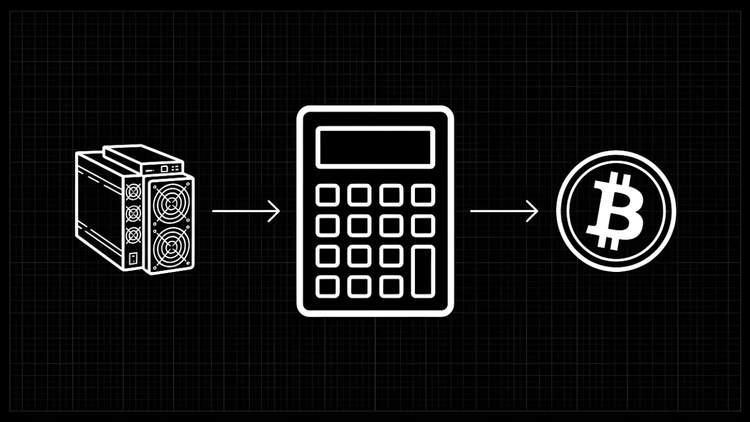
Bitcoin Mining Profit Calculator: How to Calculate Mining Profit (Step-by-Step)
Learn how to calculate Bitcoin mining profit. This guide covers step-by-step inputs, real-world assumptions, and the hidden costs calculators miss.
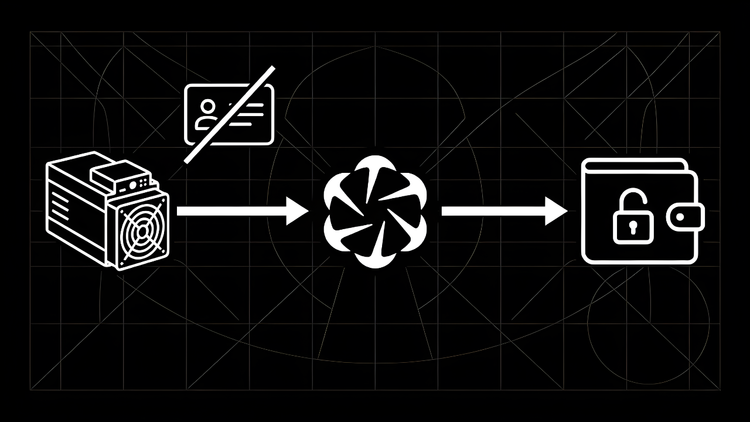
What is Ocean Mining Pool and How Does It Work?
Discover Ocean Mining Pool: A decentralized, non-custodial Bitcoin pool. Learn about DATUM templates, BOLT12 payouts, and the TIDES system now.
Is Bitcoin Mining Still Profitable in 2026?
Industrial Bitcoin miners are profitable in 2026 with power under $0.10/kWh and sub-15 J/TH hardware. Hosting math, hardware comparison, and ROI.
What Is a Bitcoin Node? Validator vs. Earner Explained
A Bitcoin node validates the blockchain and enforces consensus rules. It earns zero BTC. See the node-vs-miner difference and why investors run both.
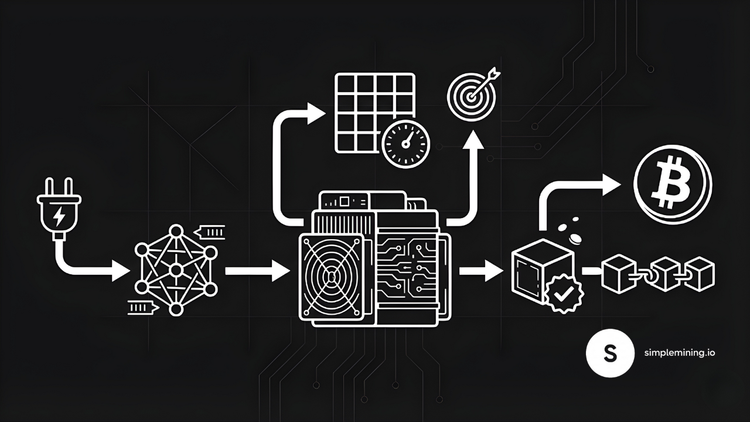
How Does Bitcoin Mining Work? The Investor's Guide to Proof-of-Work
Learn how Bitcoin mining works step by step. Understand proof-of-work, block rewards, hashrate, and mining pools. Discover what investors need to know in 2026.
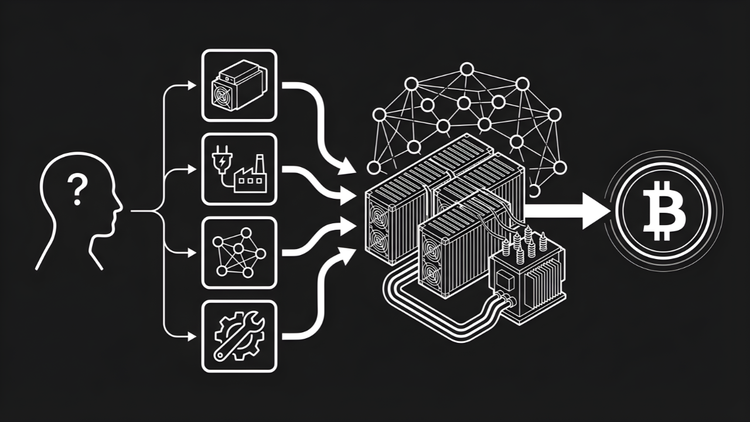
How to Start Bitcoin Mining in 2026: A Complete Investor's Guide
Learn how to start Bitcoin mining in 2026. This guide covers ASIC selection, hosting options, mining pools, and profitability factors for investors.
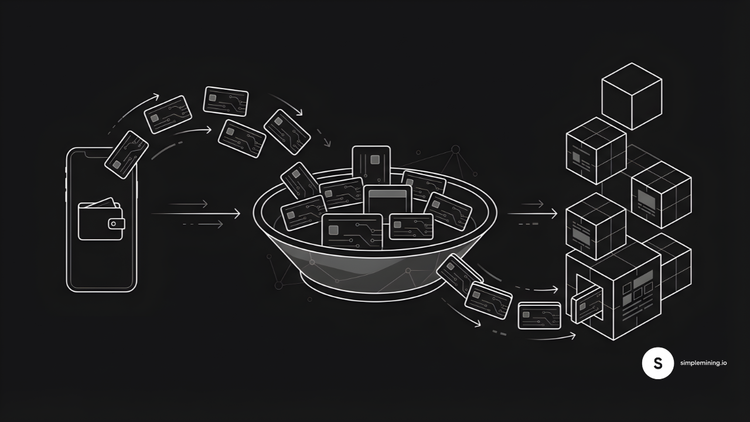
What is the Bitcoin Mempool and How Does It Work?
Learn what the Bitcoin mempool is and how it affects transaction fees. Understand how miners select transactions and why congestion impacts your BTC transfers.
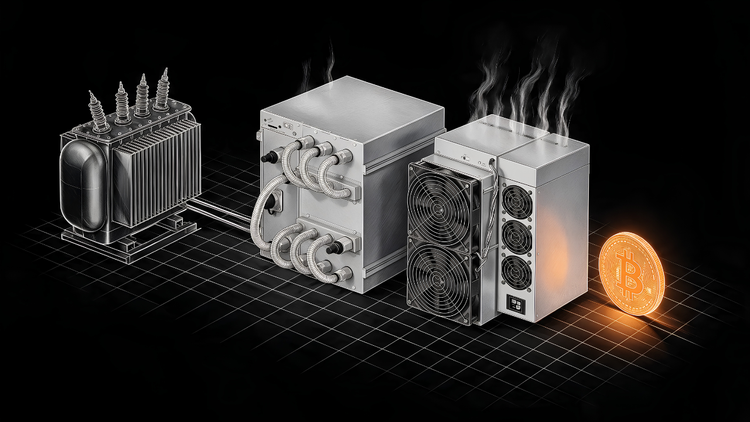
Bitcoin Mining Cost in 2026: Production Cost Per BTC
Bitcoin production cost per BTC in 2026, from $32,000 on hydro machines to $59,000 on older units at $0.07/kWh, and what drives the gap.
Bitcoin Mining Rig Costs and ROI: Key Insights for Investors
A complete guide to Bitcoin mining rig economics. We break down hardware costs, operational expenses, and ROI metrics for 2026 investors.
What Is Bitcoin Mining? How It Works and How to Start in 2026
How Bitcoin mining works, what equipment you need, and the three ways to start mining in 2026. A complete guide for investors and beginners.